What to Do After Water Damage: A Homeowner's Guide to Restoration
A burst pipe or storm intrusion can turn a normal day upside down. Here's exactly what to do in the first 24 hours — and what a professional restoration process really looks like.
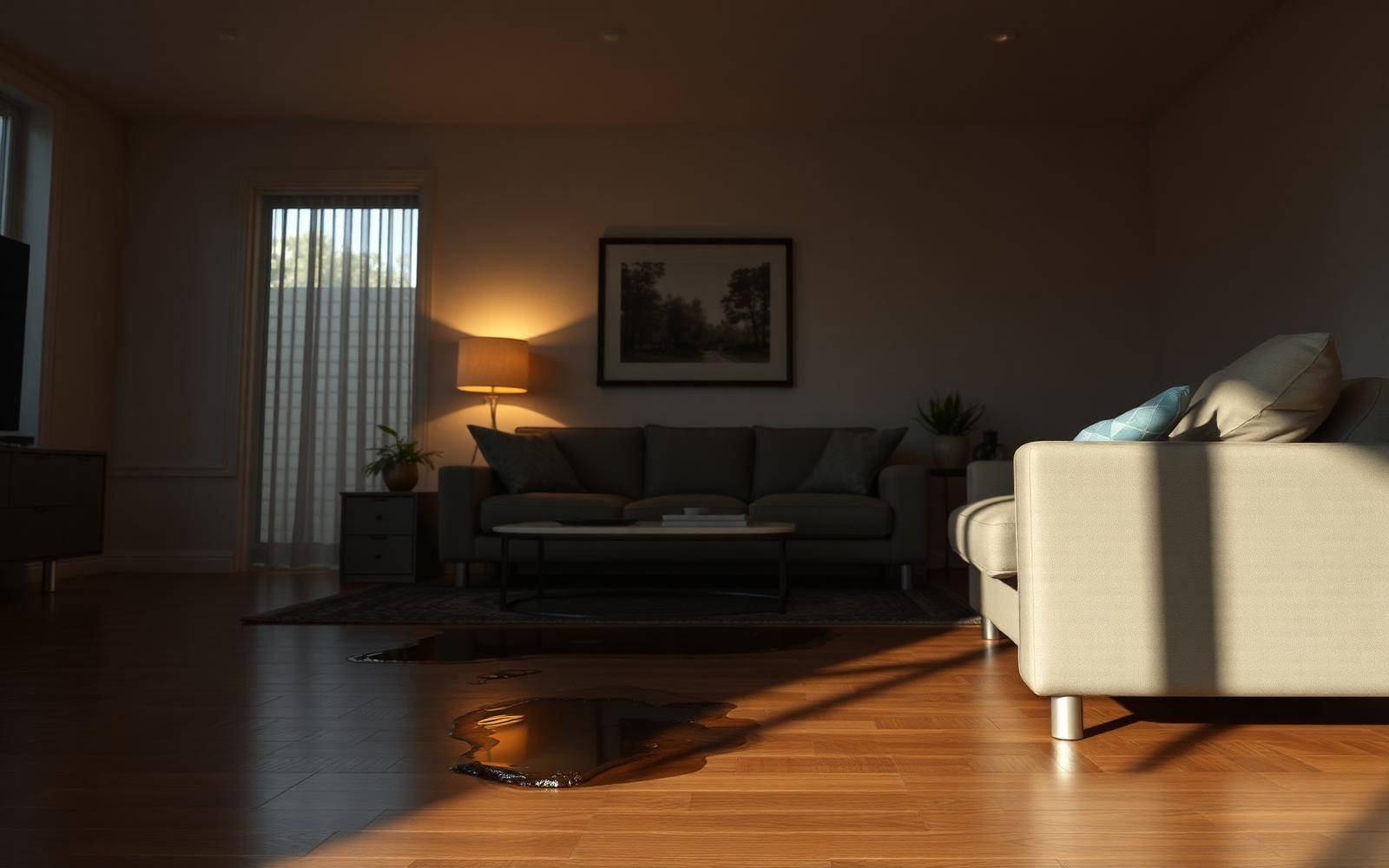
Water damage can happen in an instant — a burst pipe, an overflowing appliance, a storm that pushes water where it doesn't belong. What happens in the hours and days that follow can mean the difference between a manageable repair and a costly, long-term problem. At CF Property Restoration, we've helped countless homeowners navigate the stressful aftermath of water damage, and we want you to know what to expect — and what to do — before, during, and after the restoration process.
Why Acting Fast Is Critical
Water doesn't wait. Within the first 24 to 48 hours after a water event, damage accelerates rapidly:
- Within minutes: Water saturates flooring, drywall, and insulation. It spreads to adjacent rooms.
- Within hours: Furniture swells and warps. Drywall begins to weaken. Wood subfloors start absorbing moisture.
- Within 24–48 hours: Mold can begin to grow. Structural materials degrade. Electronics and belongings suffer increasingly permanent damage.
The sooner a professional restoration team arrives, the more of your home — and your belongings — can be saved.
Step 1: Ensure Safety First
Before doing anything else, make sure it's safe to be in your home. If the water damage is extensive, shut off electricity to affected areas at your breaker box to eliminate the risk of electrocution. Avoid standing water if you're unsure whether it's in contact with any electrical sources.
If a plumbing failure caused the flooding, shut off the main water supply to stop the flow. If storm damage allowed water in, document any structural concerns before re-entering affected areas.
Step 2: Document Everything for Your Insurance Claim
Take photos and video of all visible damage before any cleanup or restoration begins. This documentation is essential for your homeowner's insurance claim. Capture:
- The source of the water (if visible)
- All affected rooms and materials
- Damaged furniture, appliances, and personal belongings
- Water lines on walls that indicate how high the water reached
Contact your insurance company as soon as possible. A reputable restoration company like CF Property Restoration can also work directly with your insurance adjuster to help streamline the claims process.
Step 3: Call a Professional Restoration Company
This is not a job for a shop vac and a few box fans. Professional water damage restoration requires specialized equipment and expertise:
- Industrial-grade water extractors remove standing water far more effectively than consumer equipment.
- Commercial dehumidifiers and air movers dry out structural materials that are wet even when they don't look it.
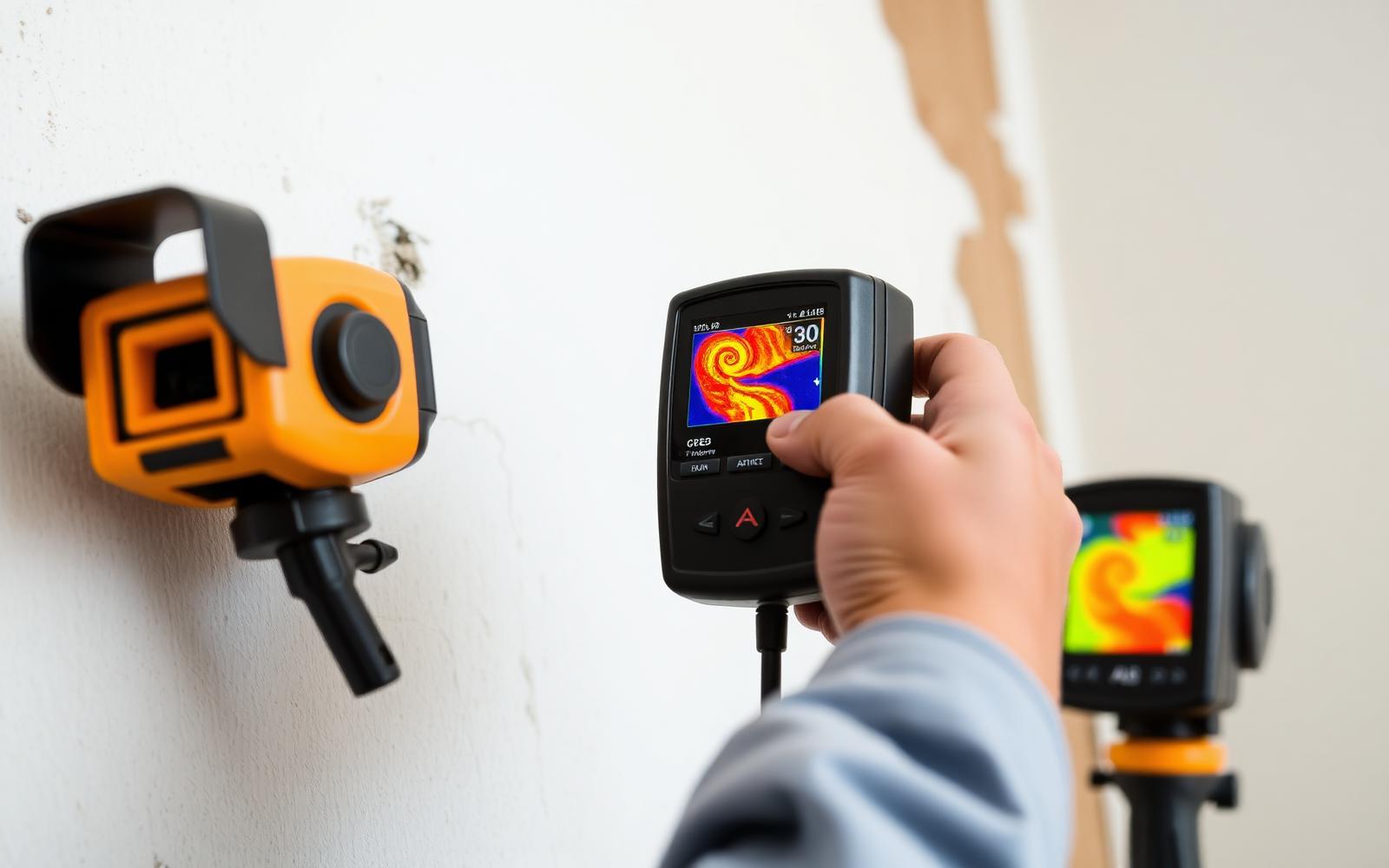
- Moisture meters and thermal imaging cameras detect hidden moisture inside walls, under floors, and above ceilings — places where mold quietly takes hold if left untreated.
At CF Property Restoration, our certified technicians assess the full scope of damage before developing a tailored restoration plan for your home.
Step 4: Understand the Restoration Process
Professional water damage restoration typically follows a structured process:
1. Inspection and Assessment
Our team evaluates the category and class of water damage. "Category 1" is clean water from a supply line; "Category 2" involves grey water from appliances; "Category 3" includes sewage or floodwater. Each requires a different approach.
2. Water Extraction
All standing water is removed using truck-mounted or portable extraction units.
3. Drying and Dehumidification
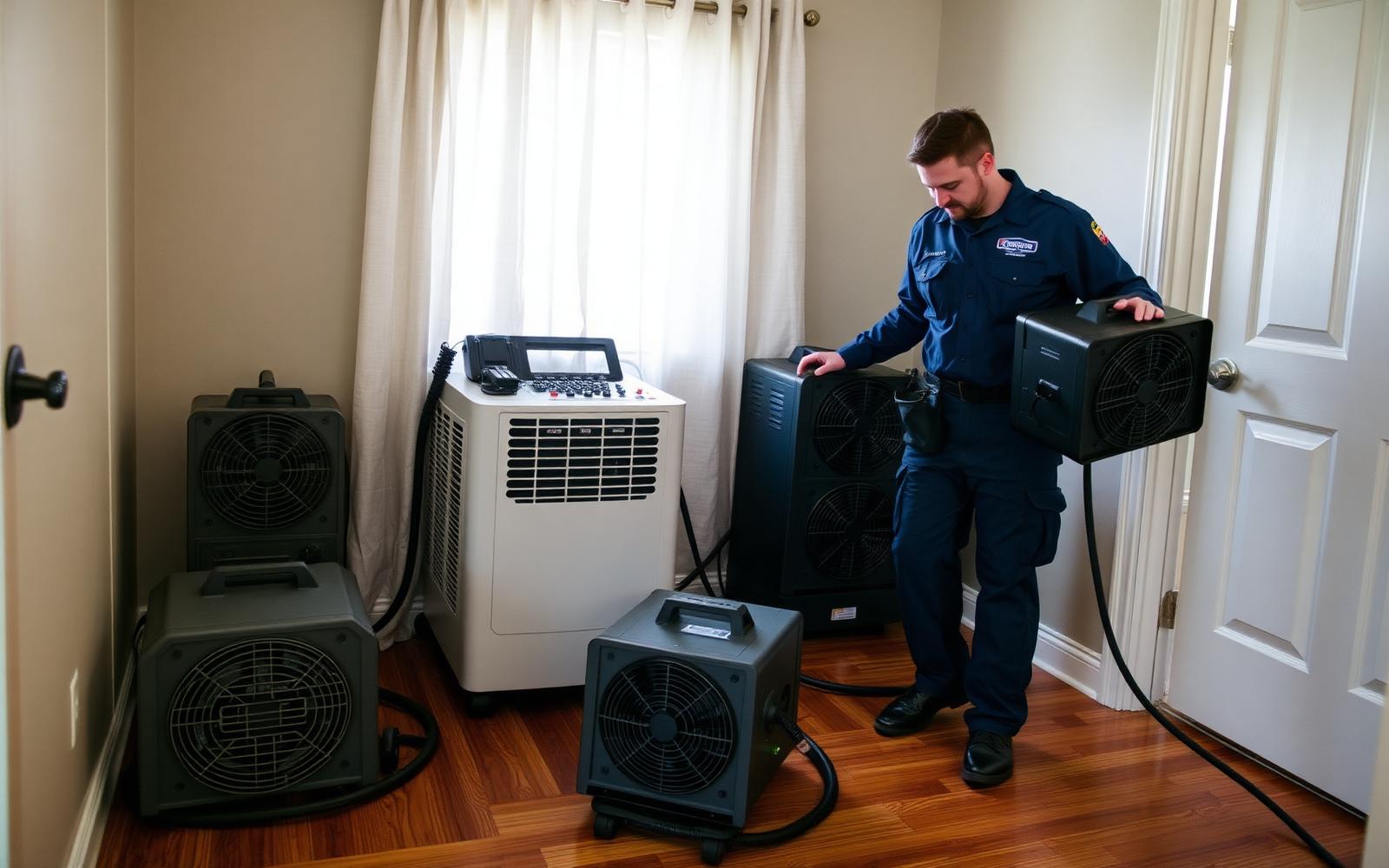
High-powered equipment is placed strategically throughout your home. This phase typically takes 3–5 days, depending on the severity of moisture and the materials involved. Daily moisture readings ensure drying is progressing on track.
4. Cleaning and Sanitizing
Affected surfaces are cleaned and treated with antimicrobial solutions to prevent mold growth and eliminate contaminants — especially important in Category 2 and 3 losses.
5. Restoration and Repairs
Once everything is dry, the rebuilding begins. This can range from replacing drywall and flooring to full structural repairs. CF Property Restoration handles both the mitigation and the rebuild, so you work with one team from start to finish.
Step 5: Watch for Mold After the Fact
Even after a professional restoration, it's smart to stay alert for signs that moisture wasn't fully addressed. Watch for:
- A persistent musty or earthy odor
- Discoloration or dark spots on walls, ceilings, or floors
- Increased allergy symptoms or respiratory issues among household members
If you notice any of these signs, contact your restoration company promptly. Mold spreads quickly and becomes far more expensive to remediate the longer it goes unchecked.
Why CF Property Restoration?
We understand that when water invades your home, you need more than just dry walls — you need peace of mind. Our team is available 24/7 for emergency response because water damage doesn't stick to business hours. We bring the expertise, equipment, and compassion to help you get your home — and your life — back to normal as quickly as possible.
Don't wait. The longer water sits, the worse the damage becomes. Contact CF Property Restoration today for immediate assistance and a free damage assessment.
CF Property Restoration — Restoring Homes. Rebuilding Lives.